Glass or plastic: how to choose CBD packaging according to your product, your channel and your customer
When a CBD brand chooses packaging, it’s not just choosing a container. It’s making a decision that affects product stability, terpene preservation, logistics, cost per unit, and the perception consumers form before even opening the bottle. And in a market where trust is earned on the shelf or through product photos, packaging speaks louder than the label.
This guide isn’t trying to tell you that glass is better than plastic (or vice versa). What it will do is give you concrete criteria to help you decide which one best suits your product, your operations, and your positioning. Because the right answer changes depending on what you package, how you sell it, and who you sell it to.
What the packaging protects (and what it can ruin)
CBD products share a common enemy: degradation. Oils, flowers, gummies, and concentrates lose their properties when exposed to light, oxygen, or humidity for extended periods. Terpenes—responsible for the aroma and part of the sensory experience—are particularly volatile compounds. A poorly chosen container won’t destroy the product overnight, but it will shorten its shelf life, reduce its aromatic intensity, and compromise the perception of freshness that the customer expects upon opening.
The material of the jar directly influences the barrier separating the contents from these factors. But the material is only part of the equation: the type of closure, the color of the container, and the overall airtightness complete the protective system. An excellent glass jar with a mediocre closure offers less protection than a good plastic jar with a truly airtight seal. It’s worth keeping this in mind before being swayed solely by the material.
Glass containers for CBD: when is it the right choice
Glass is chemically inert. It doesn’t react with its contents, doesn’t absorb or release aromas, and offers an oxygen barrier that conventional plastic can’t match. In terms of pure preservation, it’s the go-to material for delicate products. This doesn’t mean it’s always the best option, but there are situations where it’s difficult to justify anything else.
Flowers and extracts: where terpenes rule
If you sell CBD flowers—whether dried flower, select buds, or concentrated extracts—aroma is an integral part of the product’s value. The customer opens the jar, and the first thing they evaluate (consciously or unconsciously) is the smell. Terpenes are the compounds responsible for that aromatic profile: they are volatile, sensitive to UV light and heat, and the first to degrade if the packaging isn’t truly airtight. If they’ve been lost along the way, the product smells less than it’s worth, and that perception is difficult to reverse.
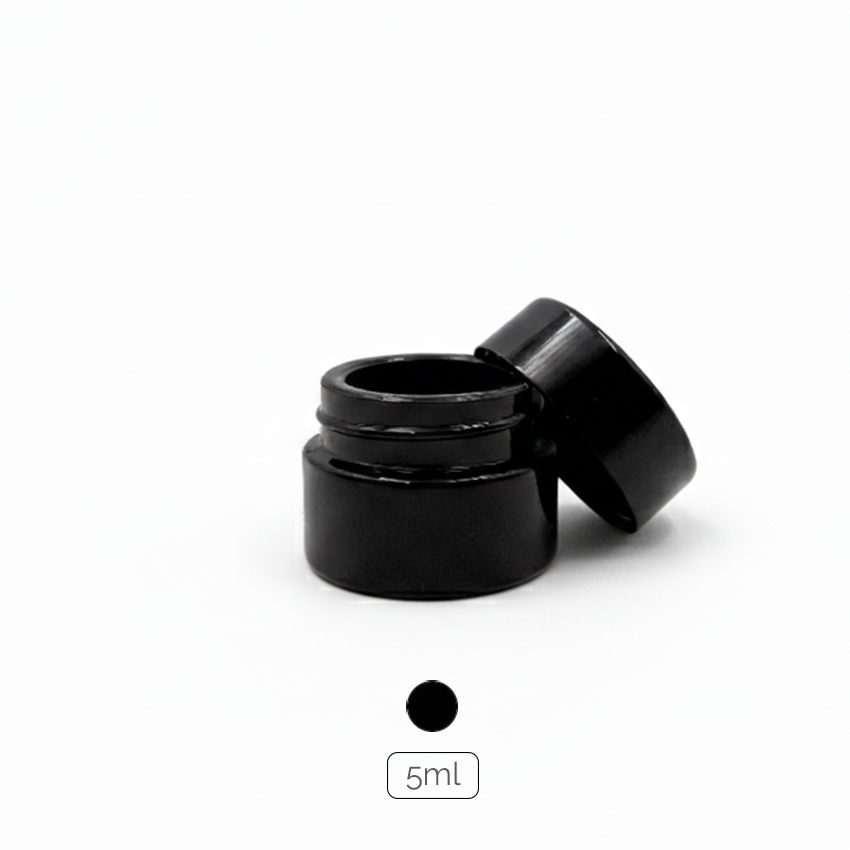
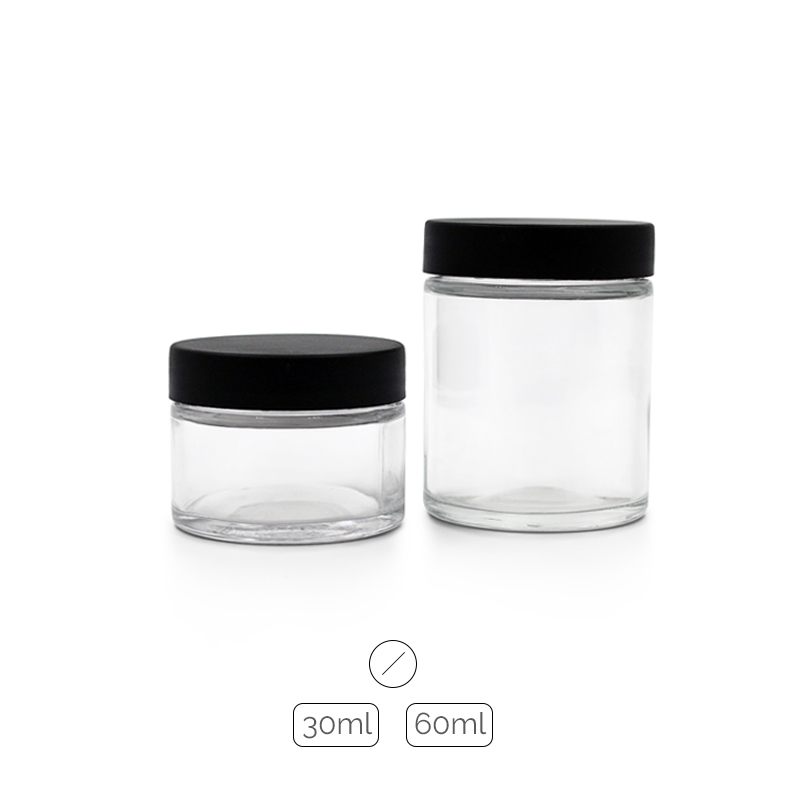
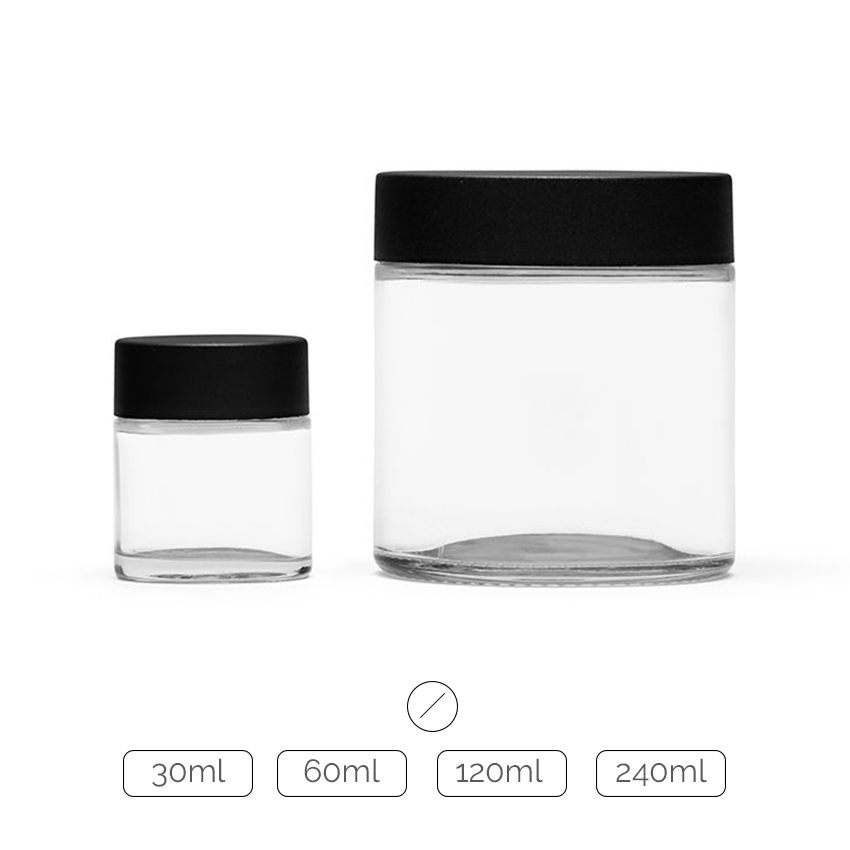
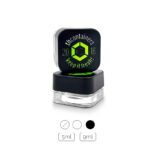
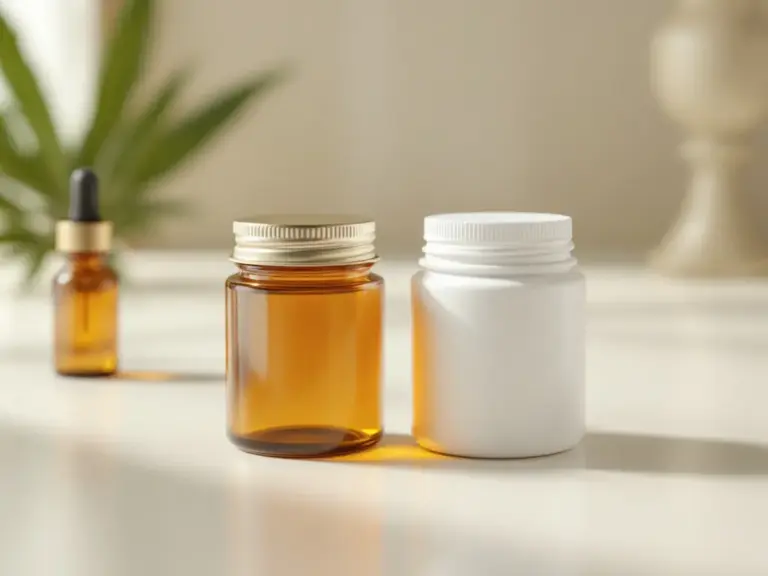
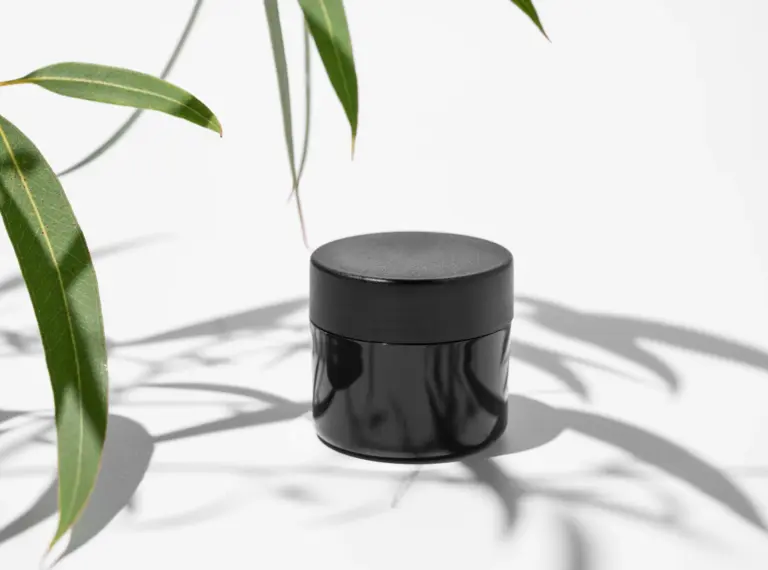
A glass jar with an airtight seal—preferably amber or opaque glass—is the system that best preserves the terpene profile intact from packaging to opening. For craft flowers or premium lines where the price per gram justifies it, glass isn’t an added cost: it’s part of the product. In the science of black glass, we explain in technical detail why the optical density of glass makes all the difference in preserving cannabinoids and terpenes over time.
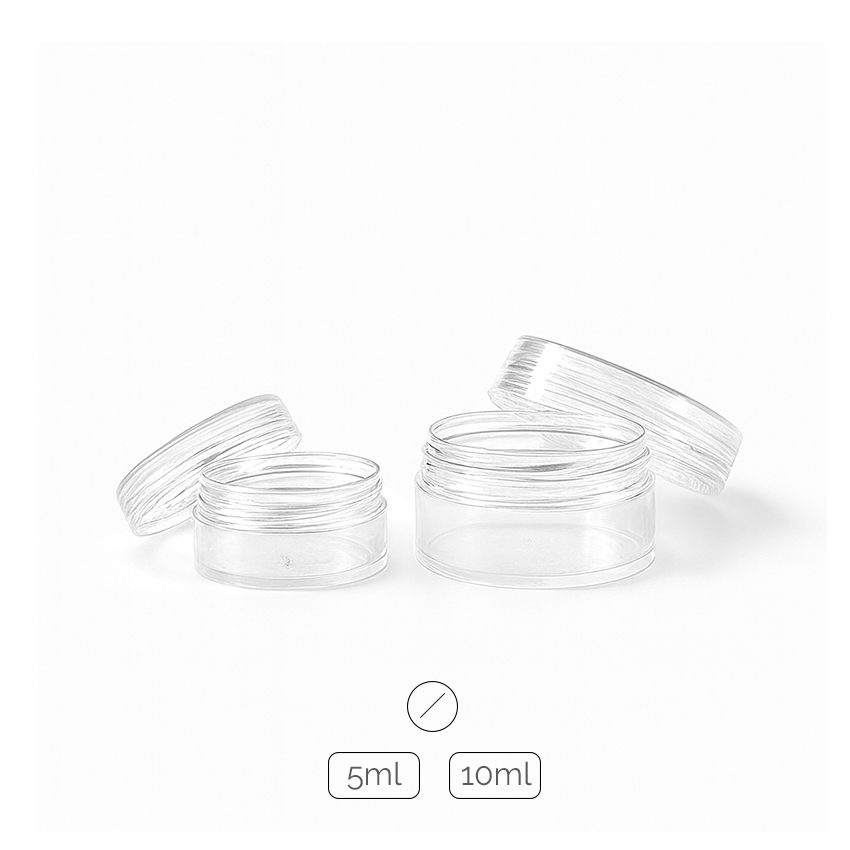
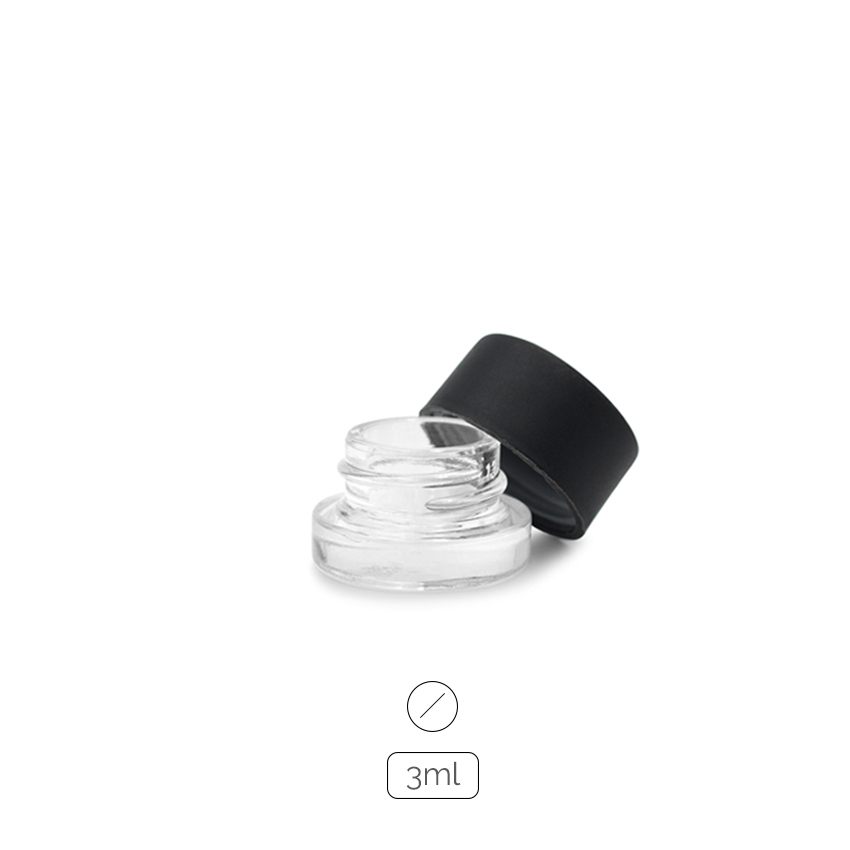
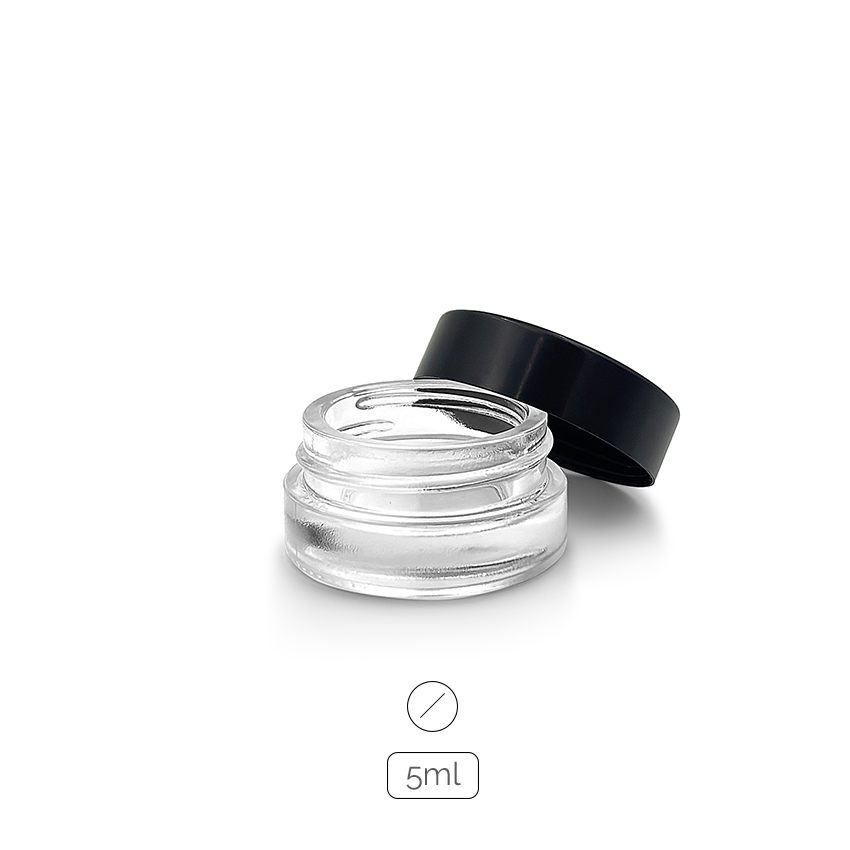
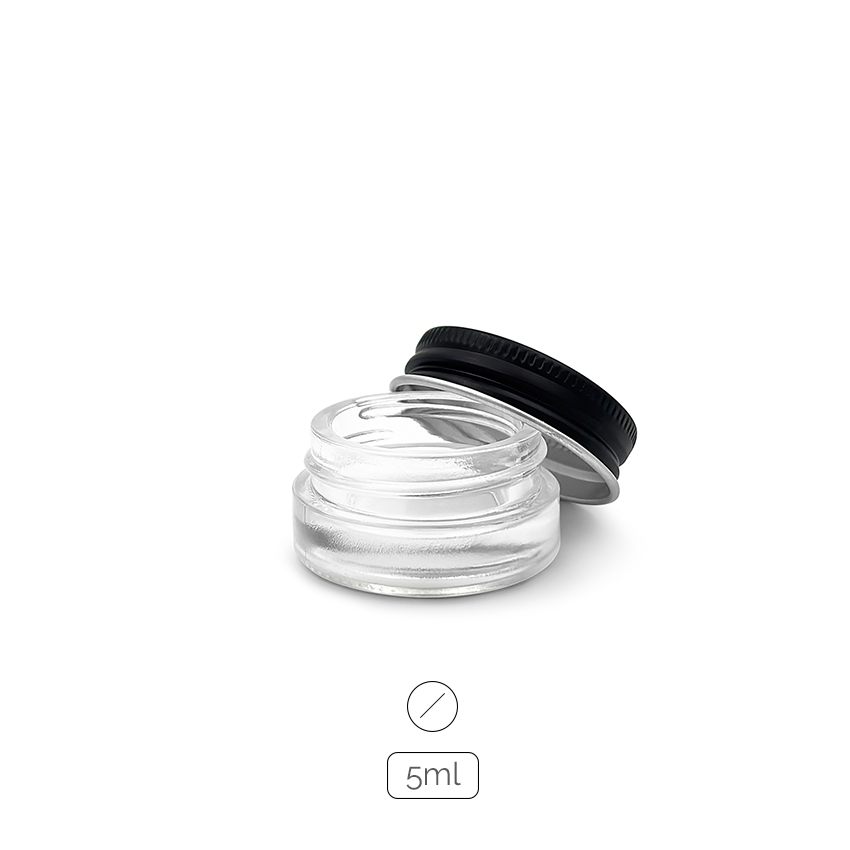
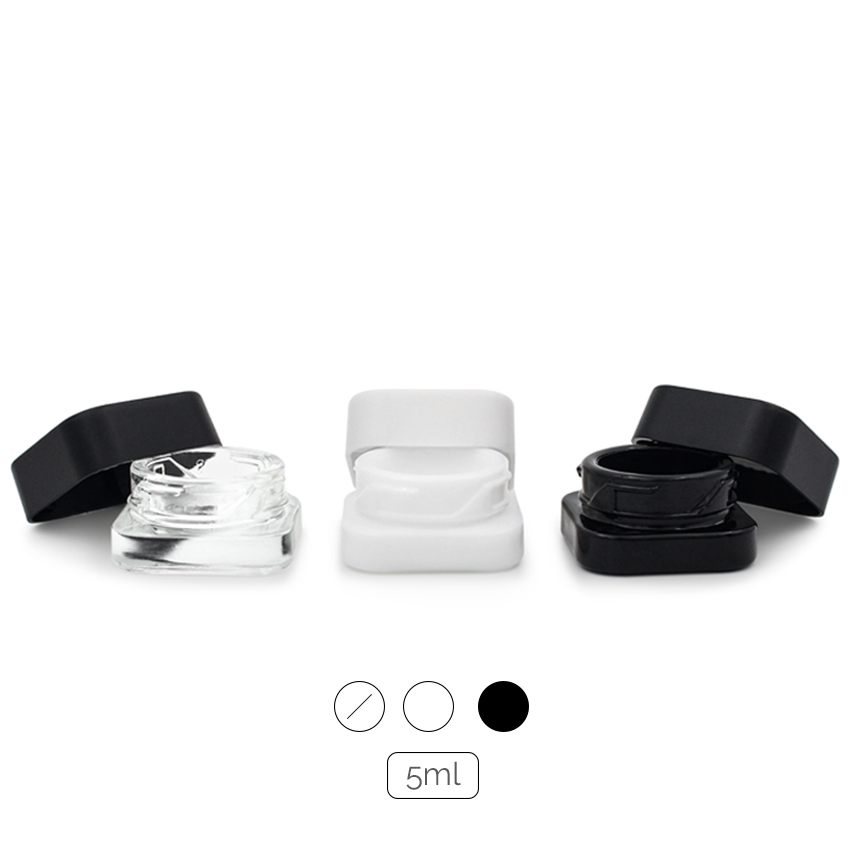
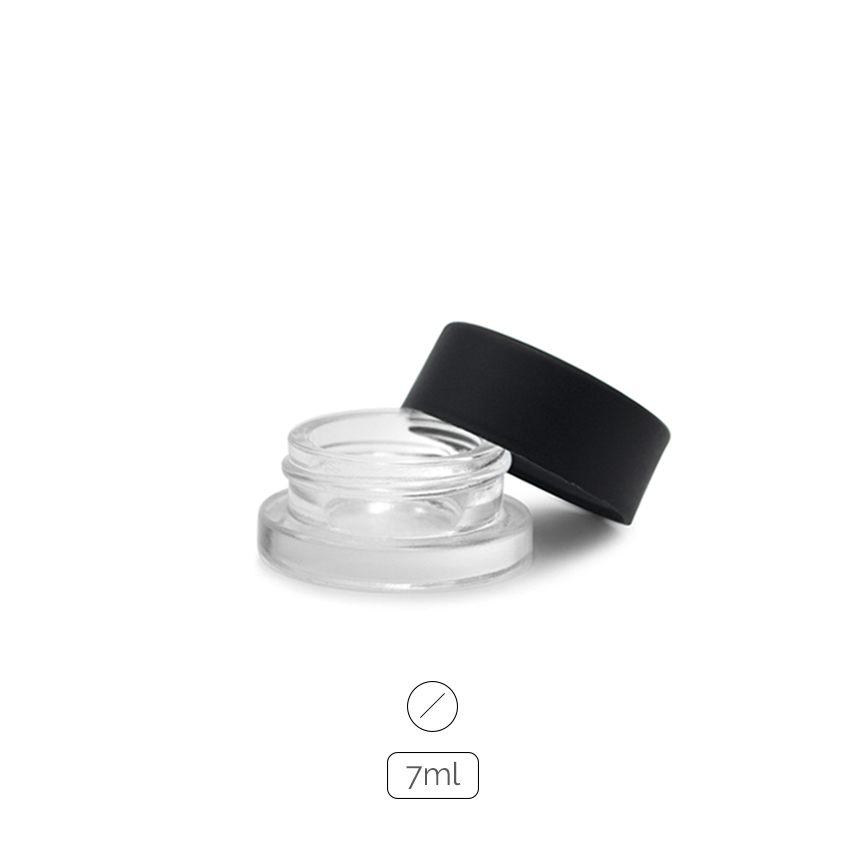
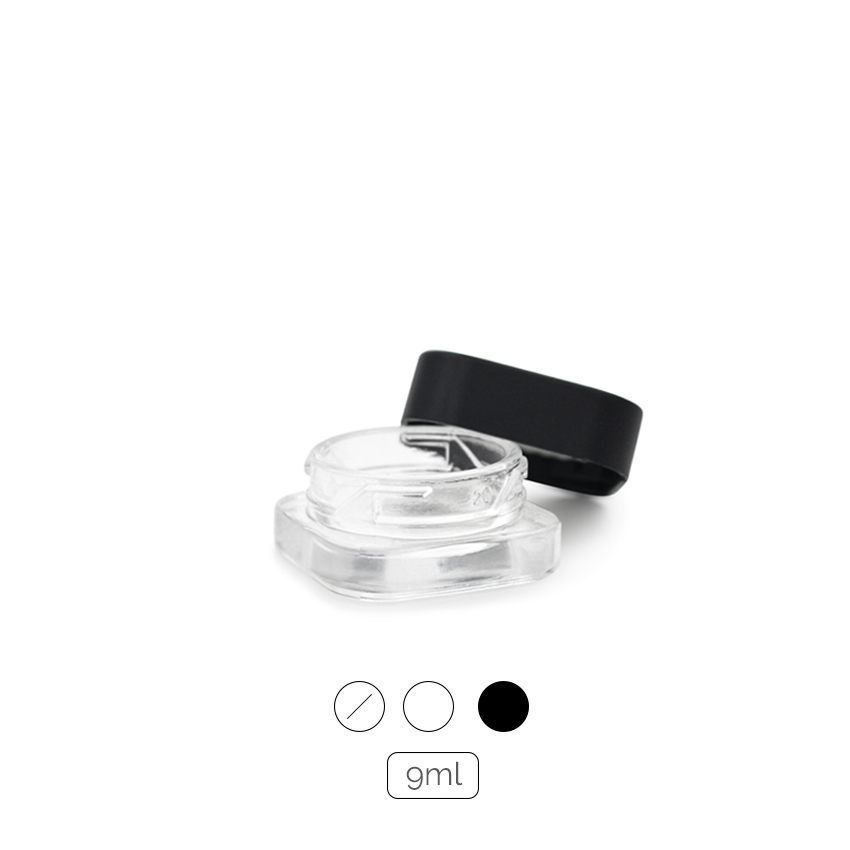
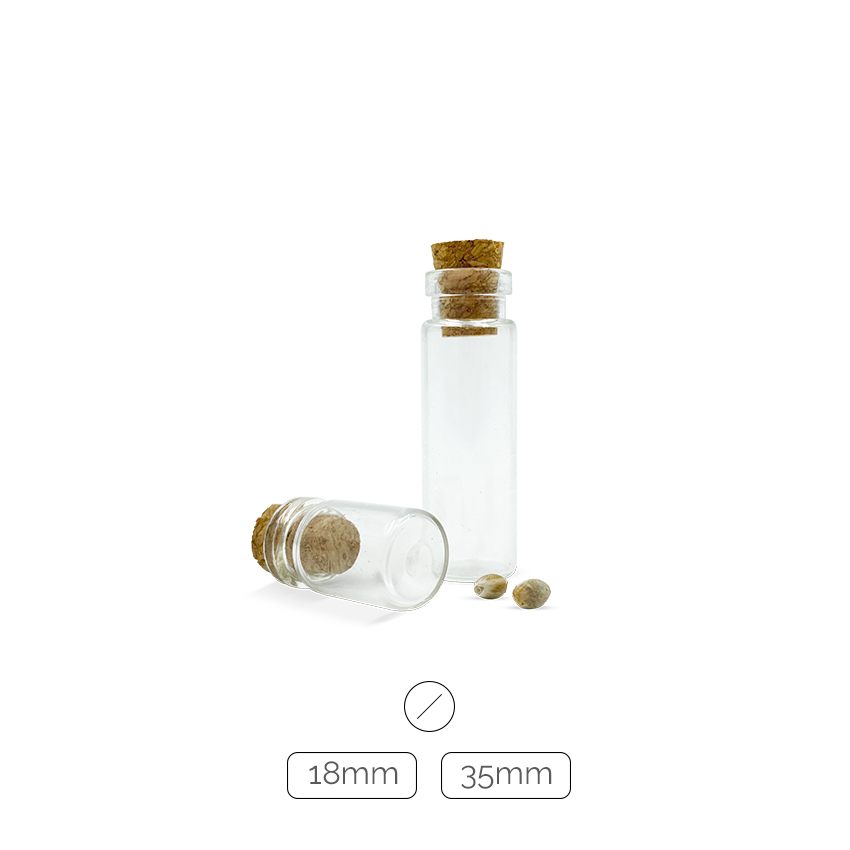
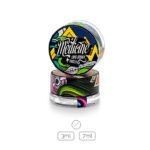
In concentrates and extracts, the logic is similar but more demanding. Extracts have a higher aromatic content and more reactive compositions. Glass eliminates the risk of interaction with the container material, which is especially relevant in small formats (3 ml, 5 ml, 7 ml) where the surface area to volume ratio is high and any migration is more noticeable.
CBD oils: the standard that the market has already validated
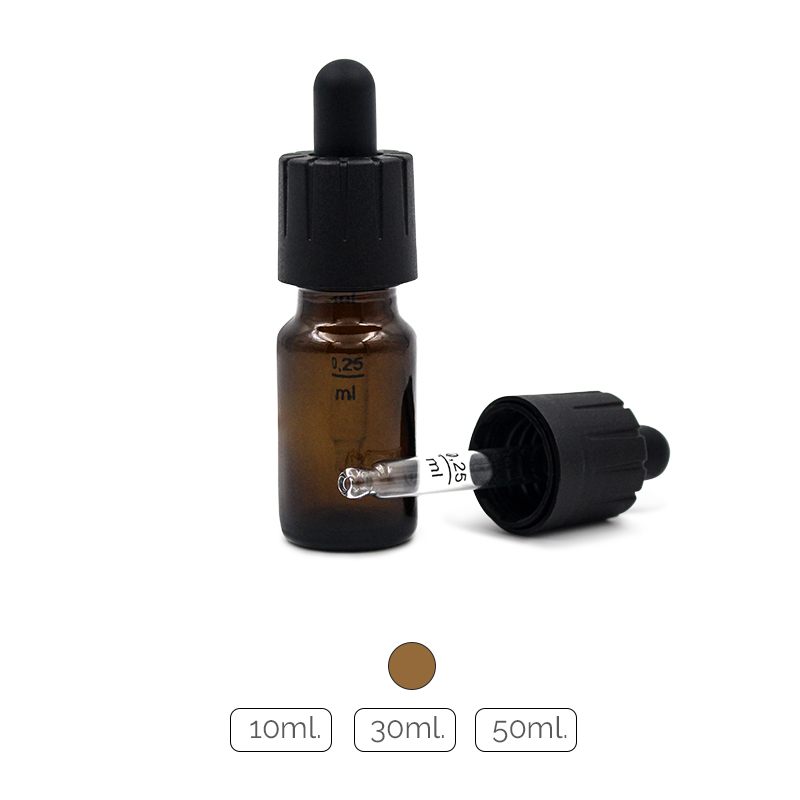
The amber glass bottle with a dropper has become the standard format for CBD oils. This isn’t just a fad: it combines light protection, chemical inertness, and precise dosing. Consumers associate it with pharmaceutical and cosmetic quality, and this association carries weight in their purchasing decisions. If your oil is full-spectrum or has a pronounced terpene profile, the amber glass bottle with a dropper is likely the option with the least commercial risk.
The reason isn’t just technical. CBD oil consumers are accustomed to this format. They recognize it, associate it with quality, and expect it. Choosing a plastic container might work in a very competitive price range, but in the mid-to-high price segment, it’s a signal that the buyer interprets—rightly or wrongly—as a reduction in quality.
CBD Cosmetics: Glass where image counts
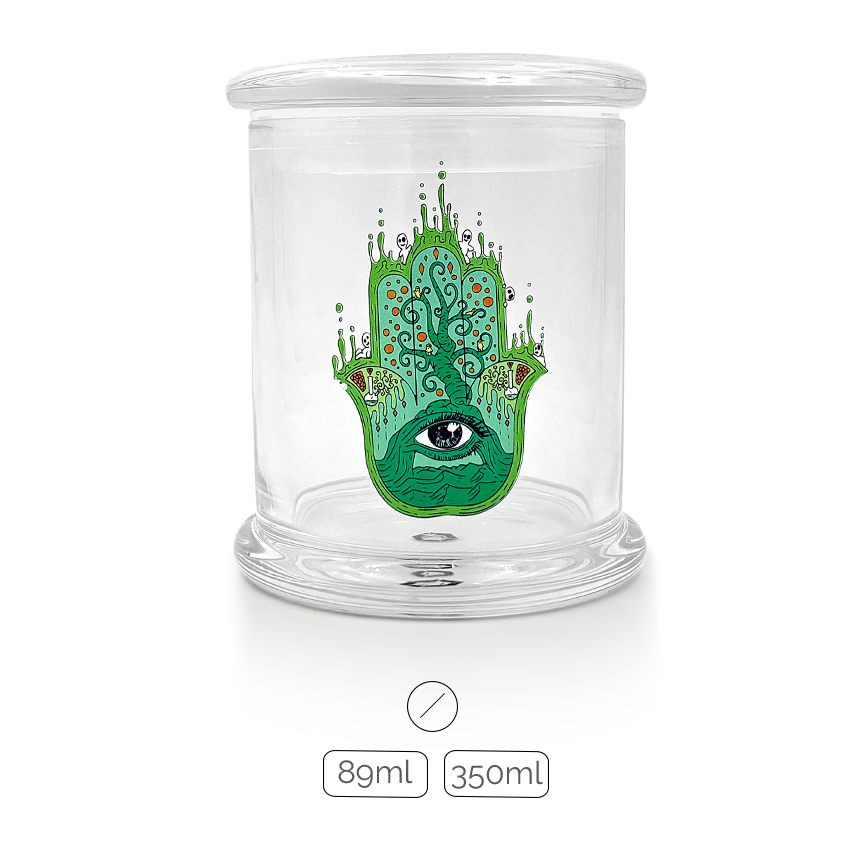
Brands that produce CBD cosmetics—balms, serums, and facial oils with cannabis extracts—have found in glass an image ally that plastic struggles to match on store shelves. Airtight glass jars for cosmetics serve the same functions as for CBD: chemical inertness, terpene protection, and a premium feel. Furthermore, they align with the visual iconography of the beauty industry, where glass has been the standard for the mid-to-high-end range for decades.
Plastic packaging for CBD: when it makes more sense than it seems
Plastic carries a stigma of being a “cheap option,” which isn’t always fair. There are situations where a well-chosen plastic container outperforms glass in the most important aspect for that specific product. The key is knowing when you’re in one of those situations.
Gummies and edibles: plastic has strong arguments
CBD gummies are probably the format where plastic offers the clearest advantage. They are products for daily, repetitive use, which the user opens and closes several times a week. The packaging has to withstand that use without degrading, without breaking if it falls off the nightstand, and without adding unnecessary weight to the shipping package.
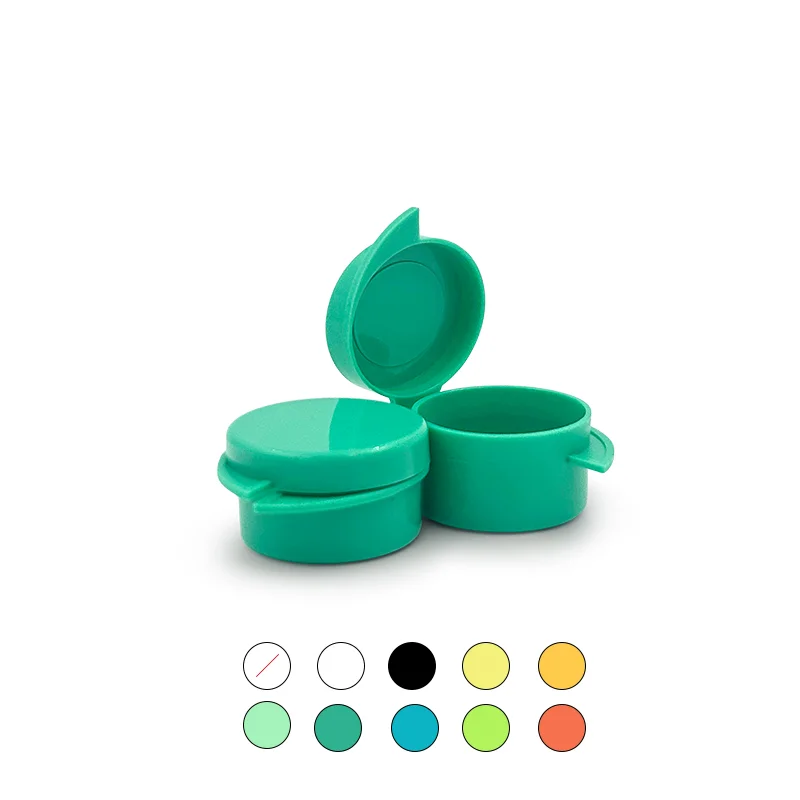
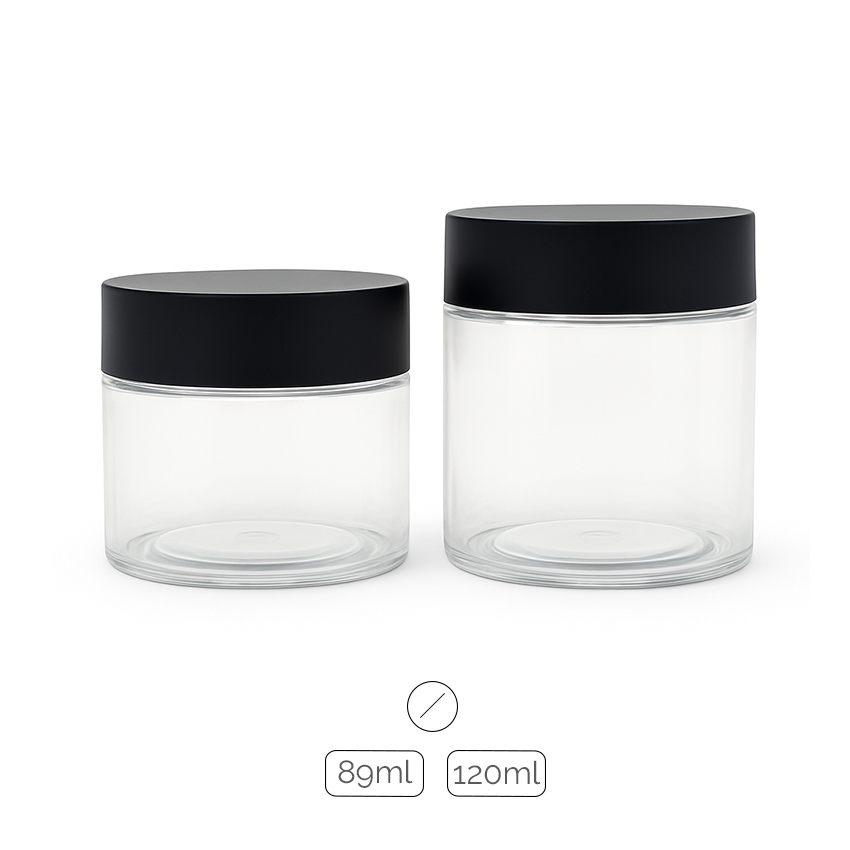
A food-grade PP (polypropylene) plastic jar with a reliable closure and inner seal solves all these problems at a significantly lower cost than glass. In e-commerce—where gummies have a huge presence—every gram counts in shipping costs. A plastic jar can weigh between 60% and 80% less than its glass equivalent, and that translates directly into profit margins or a competitive price.
In gummies, capsules, and solid edibles, chemical interaction with the packaging is minimal: there are no volatile oils or solvents in direct contact with the container wall. The inertness advantage of glass becomes less relevant, and what does matter—mechanical strength, lightness, and a reliable seal—is well covered by plastic.
High-volume, intensive distribution operations
If your business model involves high volumes with tight margins—wholesale distribution, private label brands, promotional packs—plastic allows you to scale without packaging eating into your profitability. It offers virtually no breakage during transport, lighter pallets, and faster warehouse handling.
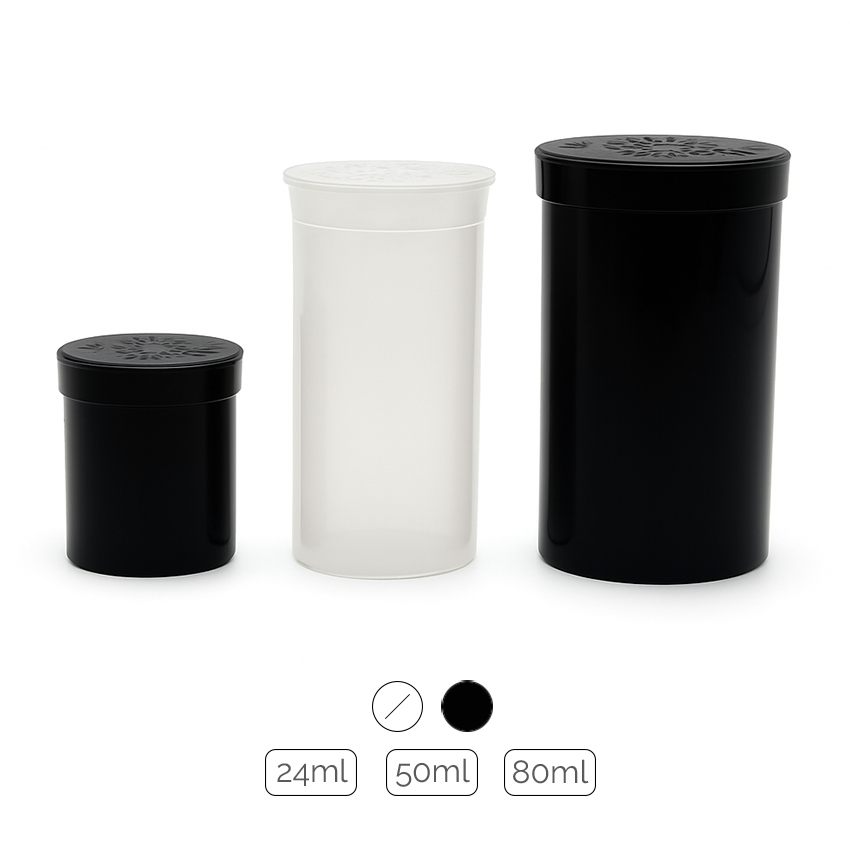
For brands that use high-turnover pharmaceutical packaging formats—standardized bottles, simple labeling, and optimized logistics—pharmaceutical-grade PET or PP plastic offers the necessary certifications without the logistical extra cost of glass. It’s the usual choice when the product performs well and the packaging needs to be virtually invisible to reduce operating costs.
The factor that many underestimate: airtightness and closure
You can have the best glass jar on the market, but if the lid doesn’t seal properly, airtightness is an illusion. Conversely, a plastic container with a quality sealing system can outperform a glass jar with a poor lid in practical preservation.
In the CBD market, the closure serves several functions simultaneously. The first is technical: maintaining a watertight seal to preserve terpenes, cannabinoids, and organoleptic properties. The second is regulatory: depending on the market and distribution channel, a child-resistant closure (CRC) that complies with European child safety regulations may be required1. The third is commercial: a closure that inspires confidence—a tamper-evident seal, a sturdy mechanism, and a clean opening—is a silent selling point.
When evaluating options, don’t just compare the jar. Compare the entire system: jar + closure + liner or gasket + seal. It’s this combination that determines whether your product reaches the consumer in the condition you promised. In our cannabis packaging guide, you can learn more about the closure and format options available for each type of product.
Decide based on your situation: the questions that matter
More than a generic comparison chart, what you need is to ask yourself the right questions. The choice between glass and plastic doesn’t depend solely on the material’s properties: it depends on how those properties intersect with your product, your operations, and your market.
What exactly do you package?
Products with a high terpene content (flowers, extracts, full-spectrum oils) clearly benefit from glass. The airtight seal of the container and the opacity of the material are critical when the aromatic profile is a core value. Solid products or those with low chemical reactivity (gummies, capsules, thick creams) can be packaged in plastic without significant loss. If your product is an oil-based product in prolonged contact with the container wall, glass also eliminates the risk of microparticle migration that some plastics can exhibit over time.
How does it reach the customer?
If you primarily sell online, weight and impact resistance are real factors. Glass requires additional protective packaging (more cost, more volume, more material). Plastic simplifies fulfillment. If your main channel is physical retail—specialty store, grow shop, pharmacy, or drugstore—the weight of the packaging becomes secondary, and shelf presence gains importance. In this context, glass projects an image that plastic struggles to match.
What does your customer expect?
A consumer buying a €40 bottle of CBD oil expects glass. Not because they’re making a conscious decision, but because the market has established that association. If you give them plastic, you need a very compelling reason (or a price that justifies it). A consumer buying a jar of gummies for monthly use expects practicality: that it’s lightweight, unbreakable, and easy to open with one hand. In that case, glass can even be a drawback.
What is your positioning?
Premium brands competing on perceived quality tend to favor glass: it conveys density, seriousness, and care. Brands competing on accessibility, volume, or convenience find in plastic an ally that allows them to optimize costs without creating a negative perception. And brands operating in the middle ground can combine: glass for their flagship line, plastic for high-turnover or entry-level formats.
Combining materials is not contradictory: it’s strategy
A smart packaging strategy doesn’t require choosing a single material for the entire product line. In fact, CBD brands that best communicate quality often combine glass and plastic according to the logic of each product: full-spectrum oil in an amber glass bottle with a dropper, gummies in a PP plastic container with a tamper-evident seal and clear labeling, premium flowers in a dark glass jar with an airtight seal, and topical balms in a lightweight container for daily use.
Each format communicates something different and addresses a specific need. What matters is that the choice is consistent with the product, the channel, and the buyer’s expectations, not with an abstract preference for a material.
Glass or plastic: depending on your needs
There is no single best packaging for CBD in the abstract. There is only the best packaging for your formula, your distribution channel, your customer, and your profit margin.
Glass offers superior protection, terpene preservation, and a premium look, but it weighs more, costs more, and breaks. Plastic offers lightness, durability, and a lower cost, but in sensitive or high-end products, it may fall short in preservation or appearance.
Making the right decision starts with understanding your specific product needs. And if you’re unsure which format best suits your CBD line, TH Containers can help you evaluate materials, colors, closures, and accessories to ensure your product arrives in perfect condition and sells better.