Ziplock bags for packaging: what they are, how to use them, and why choosing the right ones matters.
There are terms everyone uses but few stop to examine. “Ziplock” is one of them. Across packaging catalogs, B2B purchasing platforms, and product listings worldwide, “ziplock” serves as the common denominator for a family of containers that the market needs and buys regularly. Yet, the term has a history worth knowing—especially if you are a brand or distributor working with packaging and want to avoid stumbling into an unforeseen legal issue.
This guide explains exactly what a Ziplock bag is, why the generic term matters more than the brand name, and how to choose the right format based on the industry and the product you need to package.
Ziploc and ziplock: a distinction with consequences
Ziploc—spelled with a final “c”—is a registered trademark of SC Johnson. It is a widely known brand, so much so that many consumers use it as a synonym for any resealable bag. In marketing, this phenomenon has a name: genericide. And that is precisely the problem: when a brand name becomes generic in everyday speech, confusion arises in contexts where precision matters.
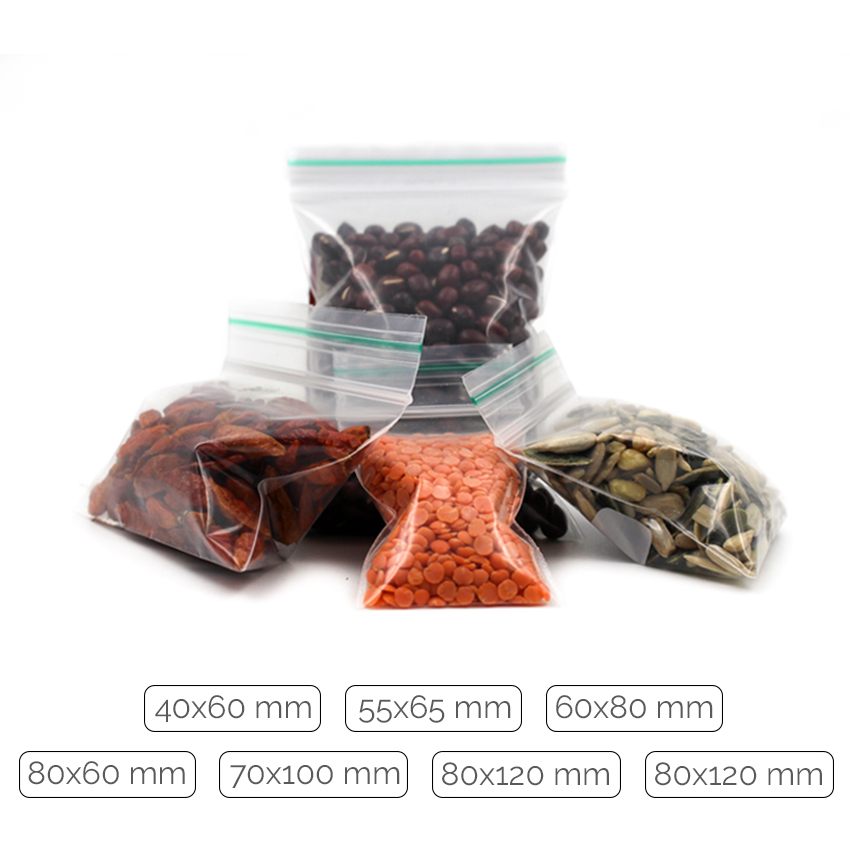
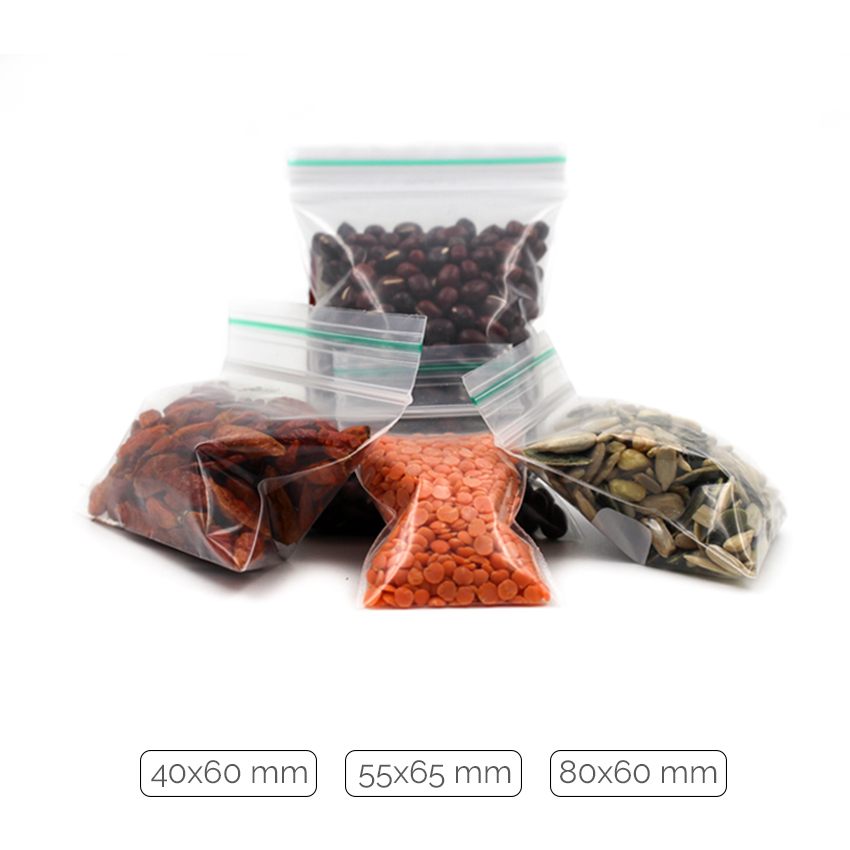
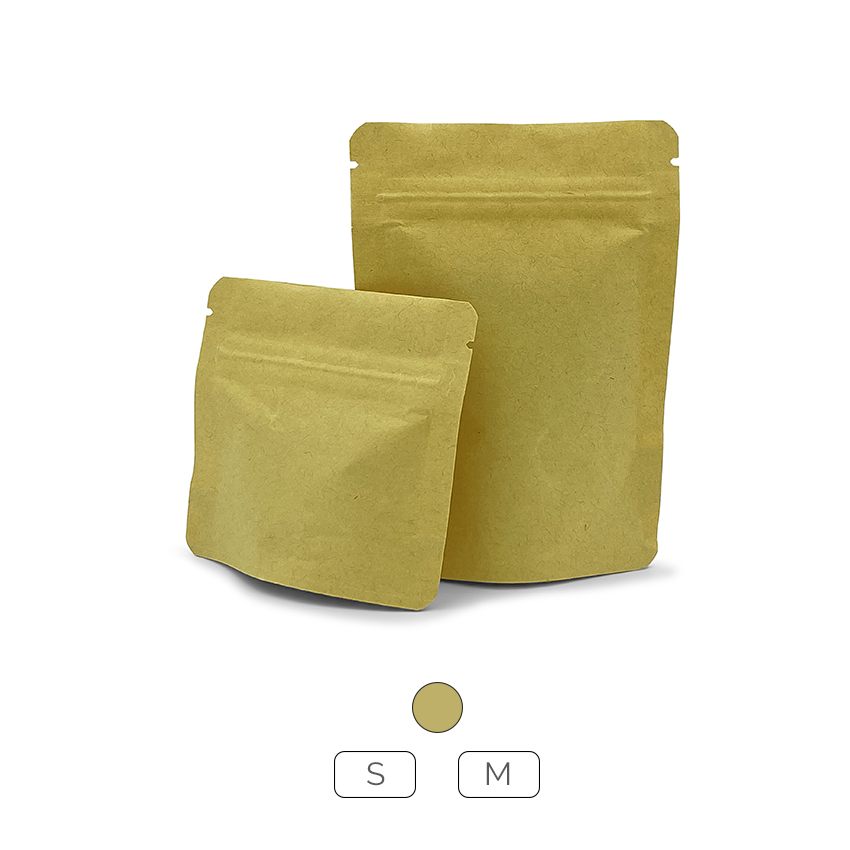
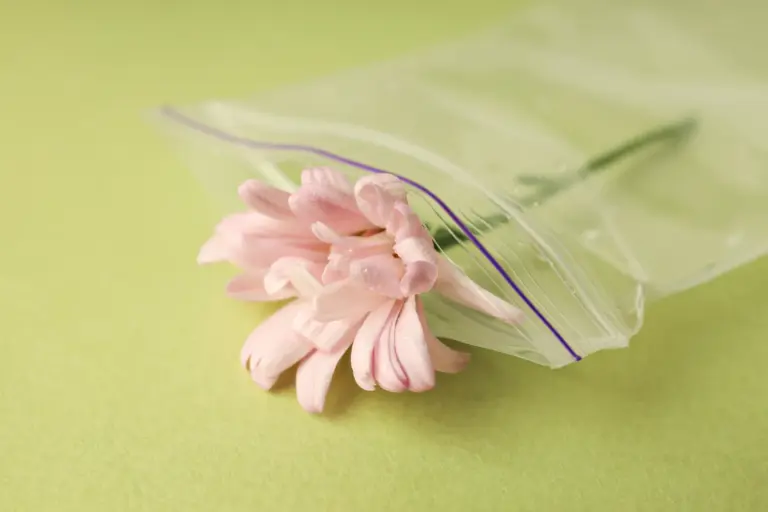
Ziplock—spelled with a “k”—is the generic term. It describes the mechanism: a press-to-close system with interlocking flanges that allows the package to be opened and closed repeatedly without tools or adhesives. Any manufacturer can produce a bag with this system and call it a “ziplock.” None can call it “Ziploc” without a license.
For a company like TH Containers—which operates in the B2B space and sells packaging to brands and distributors in regulated sectors—using the correct term is no minor detail; it is a matter of legal and semantic consistency within the product catalog. That is why our category is named “ziplock bags,” not “Ziploc bags.”
What really defines a Ziploc bag?
Beyond the name, what makes a Ziploc-style bag useful is the set of functional characteristics that define it as a packaging system:
The pressure-seal closure is the key feature. Unlike a heat-sealed pouch, the ziplock allows the user to open and reseal the package without compromising the seal’s functionality. This makes it the natural choice for products consumed over time—where the buyer accesses the contents multiple times before finishing them—and for situations where reusing the packaging offers logistical or environmental value.
Varying levels of airtightness are another feature worth noting. Not all ziplock bags seal the same way. Material thickness (measured in microns), the quality of the closure profile, and the presence of barrier layers determine the extent to which the packaging actually protects against oxygen, moisture, and the transfer of aromas. A 60-micron bag with a single-track seal does not perform the same as a 90-micron, multi-layer bag with an odor barrier. Making the right choice begins with understanding these differences.
Cannabis and CBD: the sector with the strictest requirements for ziplock bags.
In cannabis and CBD packaging, the ziplock bag serves functions that go beyond mere containment. The product is sensitive, the market in Europe is increasingly regulated, and the end consumer views the packaging as part of the product experience.
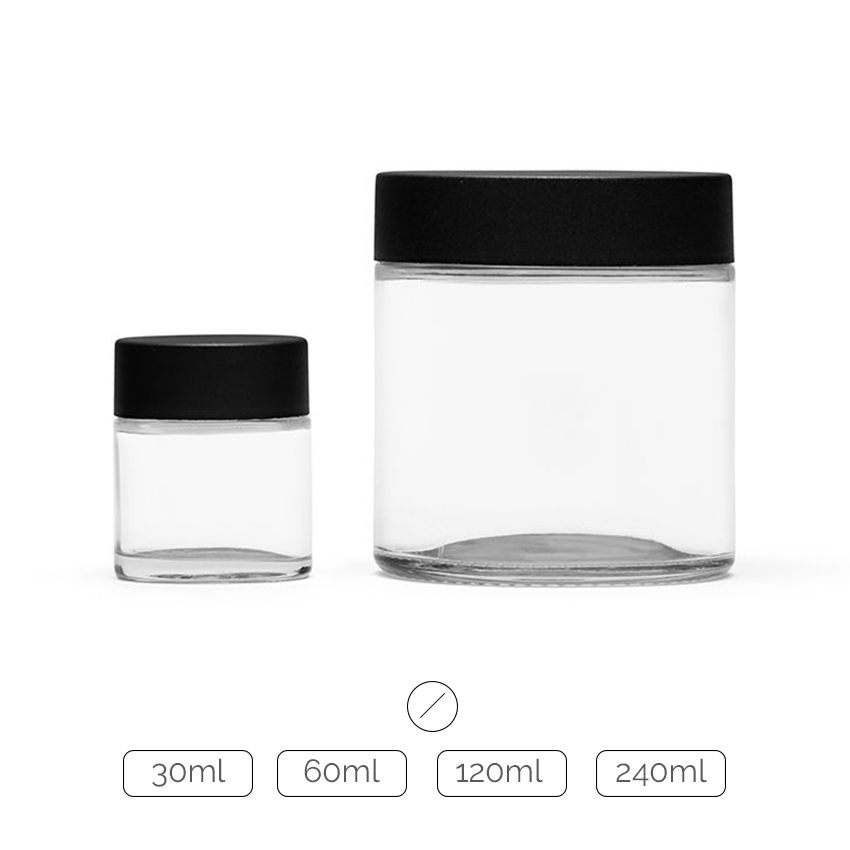
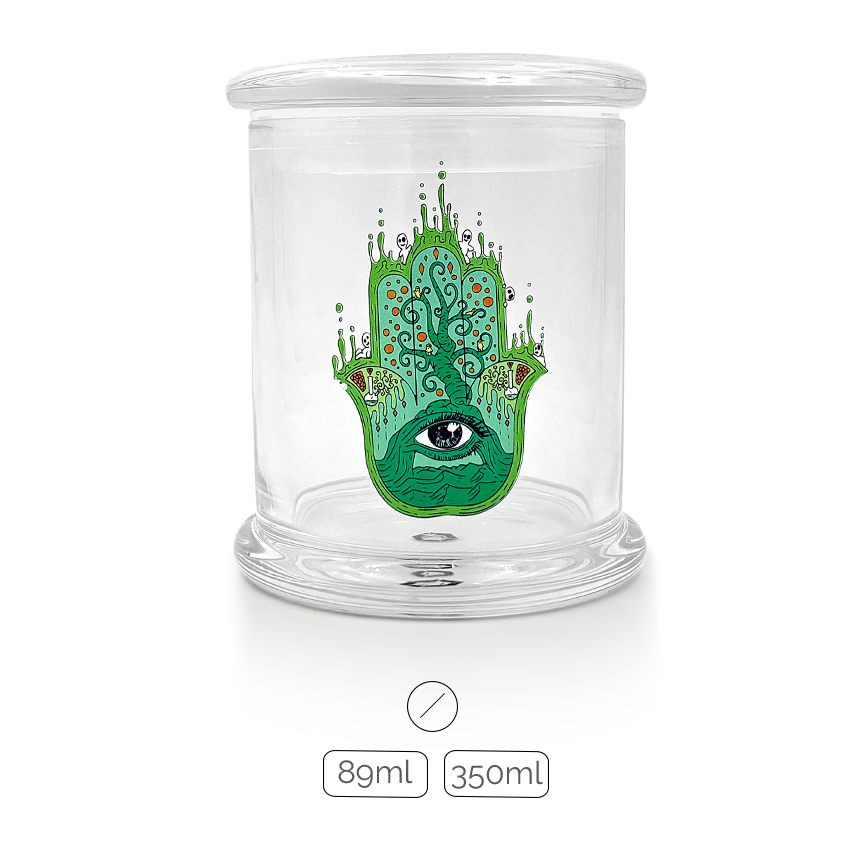
Terpene preservation is the primary technical criterion. Cannabis flowers and extracts contain volatile compounds that degrade upon exposure to oxygen, light, and heat. A multi-layer barrier Ziploc-style bag with an airtight seal can significantly slow this degradation during transport and storage. While it does not replace an airtight glass jar for long-term storage, it offers a lightweight, efficient solution for distribution and retail that glass cannot match.
Odor control is the second factor. With cannabis, aroma is part of the product’s value—buyers perceive it as a sign of quality—but it can also pose a discretion issue during distribution or transport. High-density, odor-barrier bags lock in aromatic compounds, preserving the product’s terpene profile and ensuring discretion throughout the supply chain.
Regulatory compliance adds a layer of complexity. European regulations regarding cannabis and CBD packaging are moving toward requiring child-resistant closures (CRC) for specific formats and channels. Child-resistant zipper bags incorporate this feature directly into the closure profile, eliminating the need for secondary packaging. For brands distributing across multiple European markets with varying regulations, using packaging that meets the strictest standard simplifies operations.
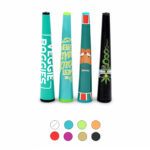
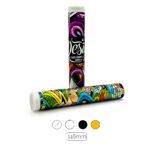
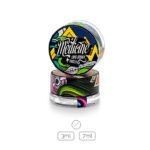
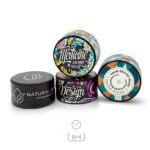
Customization completes the picture. Ziplock bags allow for full-color printing on both sides, opaque or transparent backgrounds, product viewing windows, and matte or glossy finishes. For a CBD brand competing in the retail space, packaging is the primary selling point: a generic white bag signals price, whereas a custom bag conveys identity.
Cosmetics: discretion, hygiene, and presentation.
The cosmetics sector uses ziplock bags in contexts very different from the cannabis industry, yet subject to equally precise requirements. Sample distribution is the most common application: creams, serums, powders, and masks require packaging that protects the product, allows for clear identification, and can be opened and closed without contaminating the contents. Transparent bags or those with a window are well-suited for this purpose.
Travel kits represent another format where the zip-lock bag has established a firm foothold. Cabin liquid restrictions (100 ml per container, 1-liter bag) have normalized the use of clear, resealable bags among a demographic of high-spending consumers with clear expectations regarding presentation. A well-designed zip-lock bag—featuring quality materials and a precise seal—can become an integral part of the kit’s branding rather than serving merely as a functional container.
For accessories and tools—brushes, spatulas, applicators—opaque zip-lock bags offer hygienic storage and protection against dust without the extra cost of a hard case.
Pharmaceuticals and parapharmaceuticals: traceability, protection, and compliance
In the pharmaceutical and parapharmaceutical sectors, ziplock bags are primarily used for controlled distribution and secondary packaging applications. Common use cases include product samples for prescribers, documentation kits, moisture-sensitive components, and non-sterile laboratory materials.
Demands in this sector are shifting toward traceability and evidence of tampering. Bags with a surface suitable for writing or labeling allow for the recording of the batch, date, and destination directly on the packaging. Options featuring security seals or tamper-evident closures add a layer of control that, for certain processes, is a requirement rather than an option.
Colored Ziplock formats serve a specific practical purpose in this environment: visual coding based on content type, priority level, or destination reduces handling errors and simplifies warehouse management.
How to choose the right format
The market for resealable (ziplock-style) bags offers more variables than might appear at first glance. Before making a decision, it is worth clarifying a few specific questions.
What thickness do you need?
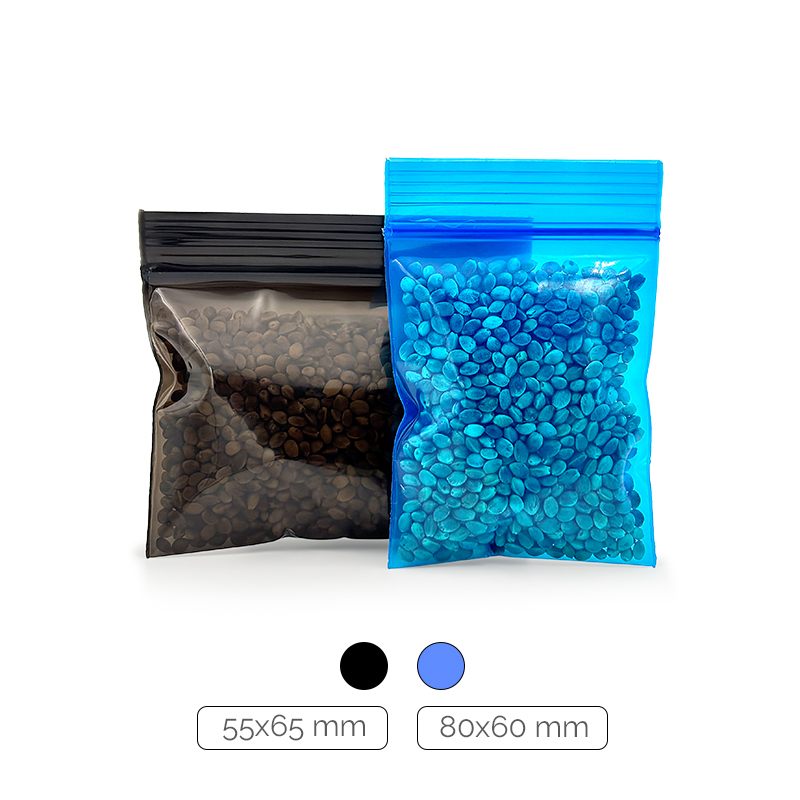
60-micron bags are the standard choice for lightweight products, sample distribution, and secondary packaging where the product already has its own primary container. 90-micron bags offer greater mechanical strength and a better barrier, making them suitable for heavier products, frequent handling, or demanding transport conditions. Higher micron counts provide more protection but come at a higher cost per unit; the decision depends on the balance between margin and protection required for your product.
Do you need an odor barrier or a multi-layer structure?
For cannabis, aromatic extracts, cosmetic ingredients with potent fragrances, or any product where aroma retention is critical, specialized barrier bags are the answer. Mylar barrier vacuum bags take this capability to the next level: they combine heat sealing with a multi-layer aluminum-polyethylene structure that blocks virtually all gas transfer. For long-term storage or distribution under extreme conditions, this is the most robust format available.
Does your product need to communicate sustainability?
100% compostable ziplock bags meet growing demand in sectors where the environmental traceability of packaging is part of the brand message. If your end customer values sustainability as a purchasing criterion—common in natural cosmetics, organic CBD, and health foods—packaging material is a selling point you can actively leverage.
Are you going to customize it?
Customization transforms a commodity bag into a communication piece. Bags featuring designs, text, or color variations serve as an entry point for brands seeking branded packaging without the minimum volume requirements of industrial production. For larger runs requiring full custom printing, the process entails CMYK vector design approval and a ten-business-day production lead time.
Ziplock packaging in the European context
The European packaging market is undergoing a process of rapid regulation. Single-use plastic legislation, recyclability requirements, and sector-specific regulations—such as those for the cannabis and pharmaceutical industries—are reshaping packaging purchasing criteria.
Brands engaged in international distribution need suppliers capable of offering options that meet the most rigorous standards, without forcing them to manage multiple suppliers for different markets.
TH Containers works with manufacturers that cover that entire spectrum: from high-turnover standard formats to certified options for regulated uses. The packaging ecosystem in Catalonia—where we operate—boasts a solid industrial base that allows us to combine proximity and service with access to specialized materials.
Close. Open. Close.
The Ziplock bag is one of those packaging formats that works across almost any sector because it solves a universal problem: how to give the user repeated access to the contents without compromising product protection. However, “Ziplock” is not a uniform category. Thickness, material, closure type, barrier properties, and customization options determine whether you have the right solution or packaging that will fall short.
If you need help identifying which format best suits your product and channel, TH Containers can guide you. Browse our catalog of ziplock bags or contact us to discuss your specific needs.